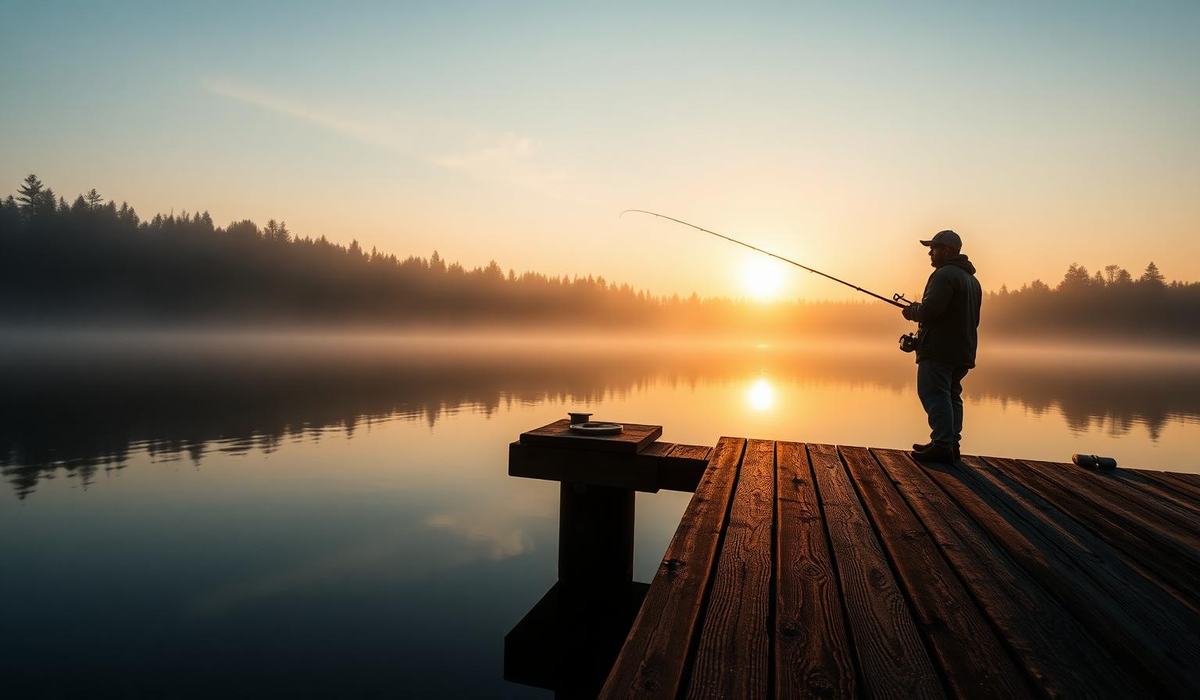
Every angler started somewhere. Ontario's lakes and rivers are forgiving teachers, but a few early habits can mean the difference between a day of steady action and hours of casting into nothing.
Here are five mistakes we see new anglers make most often — and what to do instead.
1. Using the Wrong Line Strength
New anglers often default to heavy line, thinking "stronger is safer." In reality, line that's too thick is stiff, less sensitive, and more visible to fish in clear water — which means fewer bites in the first place.
Fix it: Match your line to your target species and water clarity. A 6–8 lb test monofilament or fluorocarbon is a solid all-around choice for panfish, bass, and walleye in most Ontario lakes. Save the heavier 12–20 lb braid for pike, musky, or fishing around heavy cover.
2. Setting the Hook Too Hard (or Not At All)
This one cuts both ways. Some new anglers yank back the second they feel any tap, pulling the bait right out of a fish's mouth. Others freeze up and never set the hook at all, letting the fish spit it before they react.
Fix it: Learn to feel the difference between a fish mouthing the bait and an actual take. For most species, a firm, controlled sweep of the rod — not a wild yank — is enough. With live bait, give the fish a beat longer to fully take it before you set.
3. Ignoring Water Temperature and Depth
It's tempting to fish the same spot and depth all season because it worked once. But fish move with water temperature, oxygen levels, and forage — especially through Ontario's seasonal shifts from spring shallow spawns to summer thermoclines to fall feeding pushes.
Fix it: Use a fish finder or simple temperature gauge if you have one, and pay attention to seasonal patterns. In early spring, fish shallow bays that warm up fastest. In peak summer heat, try deeper structure or shaded cover. Don't be afraid to move if 30–45 minutes pass without a bite.
4. Overlooking Stealth and Presentation
Loud footsteps on a dock, slamming a tackle box, or a shadow cast across the water can spook fish before a line ever hits the surface — particularly in clear, shallow water. New anglers also tend to retrieve too fast and too uniformly, which doesn't always match what fish are keying on.
Fix it: Move quietly, especially in shallow water or from shore. Vary your retrieve speed and add pauses — a lot of strikes happen right after the lure stops moving. Approach a spot like the fish are already watching you, because often they are.
5. Not Checking Local Regulations Before Heading Out
It's an easy one to skip in the excitement of planning a trip, but fishing outside your zone's season, keeping an undersized fish, or not having the right licence can turn a good day into an expensive one.
Fix it: Before every trip, check the current Ontario Fishing Regulations Summary for your zone — season dates, size limits, and catch limits change by species and zone, and they're updated yearly. A five-minute check at home beats a conversation with a conservation officer on the water.
The bottom line: Most of these mistakes fix themselves with time on the water. Pay attention to what works, stay adaptable, and don't be afraid to ask other anglers what they're seeing out there — Ontario's fishing community is generally happy to share a tip or two.