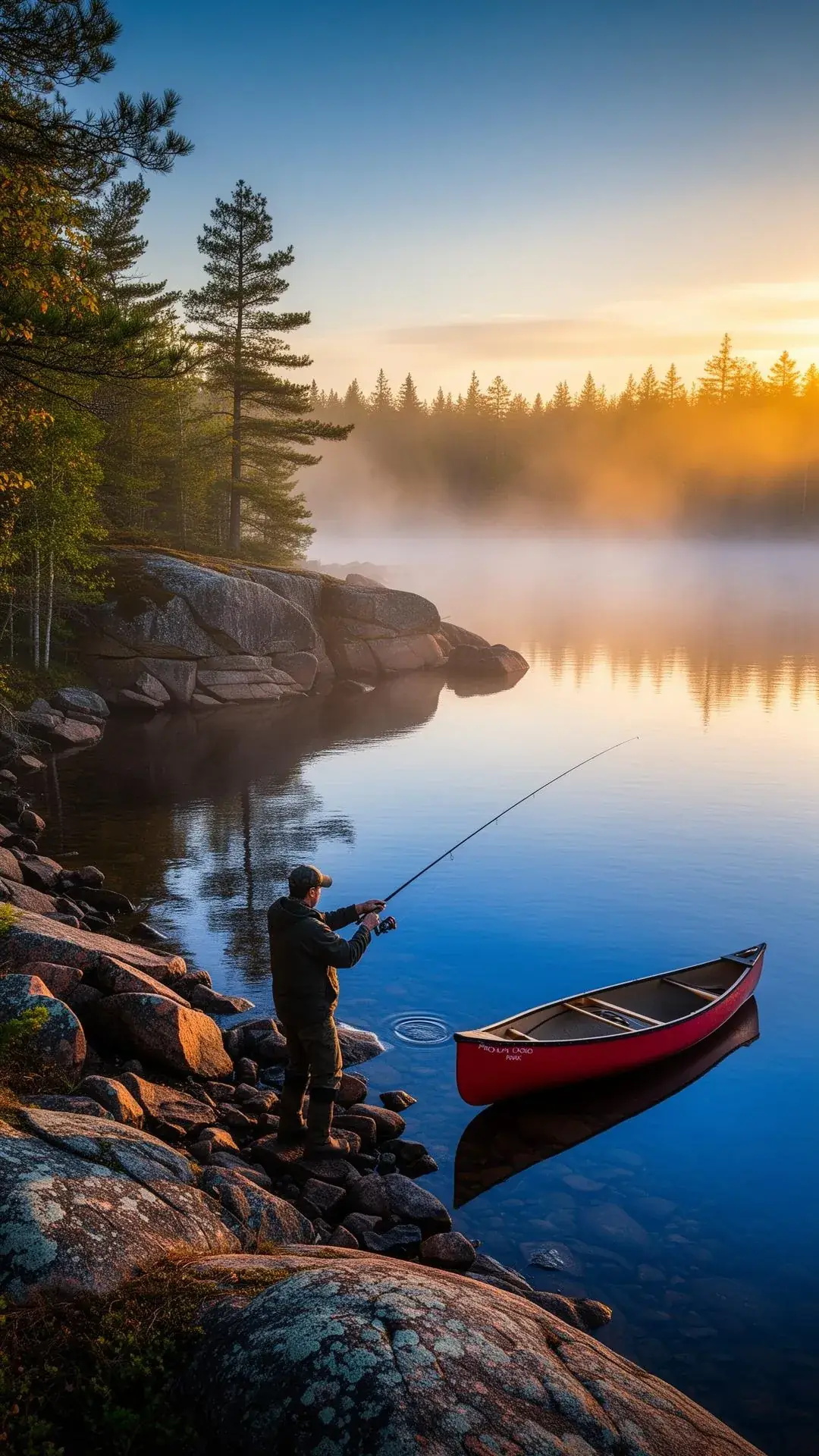
For the angler who finds the crowded docks of the south too loud, the true North offers a sanctuary of silence and scales. This isn't just about a weekend trip; it is a journey into the subarctic wilderness where the 'Many Lakes, Endless Adventures' slogan becomes a literal reality.
Here is an in-depth look at the most remote, high-energy fishing destinations at the edge of the map.
Located in the heart of Polar Bear Provincial Park, the Sutton River is a treeless, tundra-bound waterway that flows north into Hudson Bay. It is widely considered the premier Brook Trout fishery on the planet.
The Experience: You aren't just fishing; you are floating through a prehistoric landscape. The river is shallow and crystal clear, allowing for 'sight-fishing' where you can pick out a trophy Brookie before you even cast.
Local Communities: The closest jumping-off point is the Cree community of Peawanuck. Access is strictly by charter bush plane, usually departing from Nakina or Hearst.
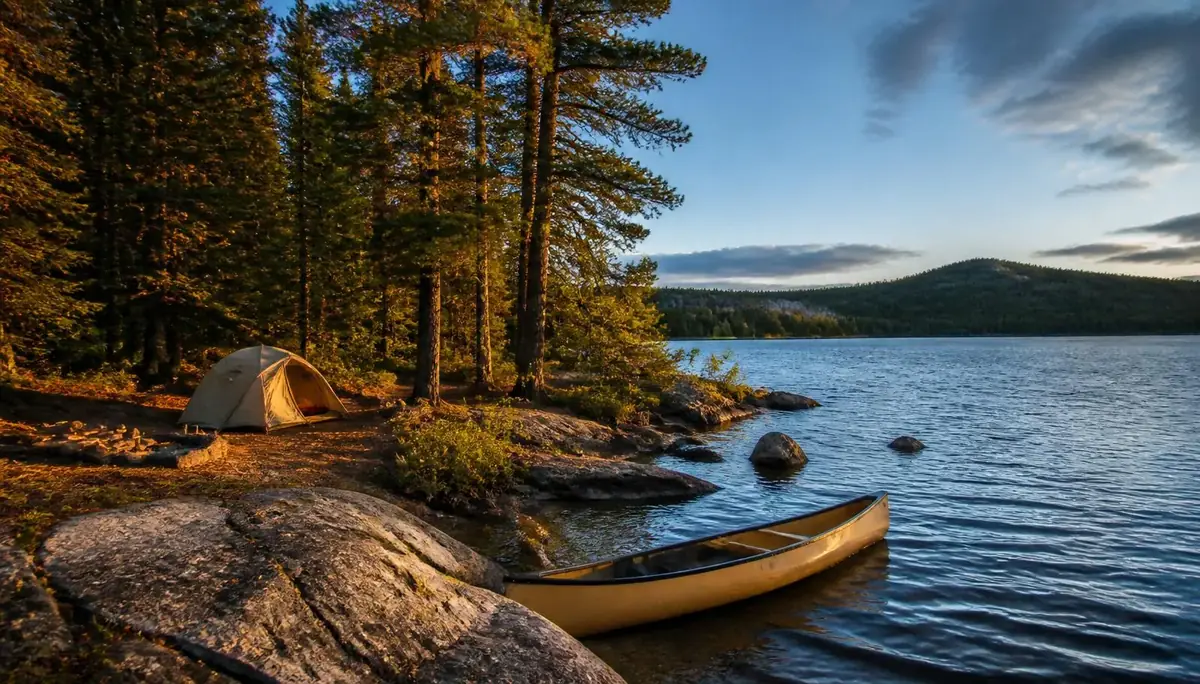
Facilities & Camping: There are no hotels or permanent lodges on the river. This is a 100% wilderness 'float trip.' Anglers typically use canoes to navigate the current, setting up backcountry campsites on gravel bars along the riverbanks.
The Target: Sea-run Brook Trout that can reach over 20 inches, characterized by their brilliant spawning colors and high-energy fights in oxygen-rich currents.
The Albany is one of the longest and most powerful rivers in Ontario, carving through the rugged Canadian Shield. It serves as a massive highway for walleye and pike.
The Experience: The river is a mix of thundering rapids and wide, lake-like stretches. The 'Pools' below major falls are hotspots where predators stack up to gorge on baitfish swept downstream.
Local Communities: Eabametoong First Nation (Fort Hope) is located along the system. The river is a vital part of the local culture and history.
Facilities: Unlike the Sutton, the Albany features several high-end fly-in lodges and remote outpost cabins. These facilities offer full meal plans, guided boat services, and comfortable beds deep in the bush.
Camping: For the adventurous, there are established portage routes with rustic campsites, though most visitors opt for the safety and comfort of an outpost cabin given the high density of black bears in the region.
Formed by the confluence of the Mattagami and Missinaibi rivers, the Moose River flows into the saltwater of James Bay.
The Experience: This is a massive, silt-heavy system. The fishing is defined by high-volume success. During the spring and autumn transitions, the sheer number of walleye moving through the system is staggering.
Local Communities: The historic town of Moosonee (Ontario's only saltwater port) and the island community of Moose Factory sit at the river's mouth.
Facilities: Moosonee offers hotels, grocery stores, and restaurants. It is accessible via the Polar Bear Express train from Cochrane — a bucket-list rail journey in itself.
The Target: Aggressive 'Northern' Walleye and massive Northern Pike that patrol the river's muddy breaks and weed edges.
While Lake of the Woods itself is popular, its northernmost inflows and tributaries offer a raw, disconnected experience.
The Experience: These tributaries flow through a labyrinth of granite islands and muskeg. It is a land of 'Apex Predators' where the food chain is short and the fish are territorial.
Local Communities: Kenora serves as the primary hub, providing all the amenities of a modern city before you head into the 'Road's End' sections of the backcountry.
Facilities & Camping: This region is famous for its houseboat rentals, allowing you to bring your 'lodge' with you as you explore different inflows. Additionally, Rushing River Provincial Park nearby offers excellent car-camping facilities for those who want a base of operations before heading further north.
| Destination | Primary Access | Accommodation Type | Top Species |
|---|---|---|---|
| Sutton River | Floatplane (Nakina/Hearst) | Backcountry Tent Camping | Trophy Brook Trout |
| Albany River | Fly-in (Hearst/Fort Hope) | Outpost Cabins & Lodges | Walleye, Pike, Brookies |
| Moose River | Train (Cochrane) | Hotels & Local Guesthouses | High-volume Walleye |
| Western Inflows | Boat-in / Floatplane | Houseboats & Remote Resorts | Trophy Pike, Muskie |
- Communication: Bring a satellite messenger (like a Garmin inReach). Cell service disappears long before you reach these waters.
- Bear Safety: You are in prime Black Bear and, in the far north, Polar Bear territory. Store food in bear-proof containers and always carry deterrents.
- Thermal Gear: Even in July, northern river water remains dangerously cold. Always wear a PFD; it provides both flotation and vital insulation if you take an accidental swim.
Navigating the transition from the paved highways of the south to the rugged terrain of the North requires careful planning. While some destinations are 'Road's End' points accessible by vehicle, others require a strategic handoff to rail or air services.
For many, the adventure begins with a long-haul drive up Highway 11 or Highway 17.
- Kenora (Western Inflows): This is the most accessible 'Far North' hub by car. It sits directly on the Trans-Canada Highway (Hwy 17), approximately 20 hours from Toronto or 2 hours from Winnipeg. Once in Kenora, you can launch a boat or board a local floatplane.
- Cochrane (Moose River Gateway): Located on Hwy 11, Cochrane is the end of the road for most southern travelers heading toward James Bay. It features secure long-term parking lots where anglers leave their vehicles before boarding the train north.
- Nakina & Hearst (Sutton/Albany Hubs): These are the primary 'jump-off' points for fly-in trips. You can drive to these towns via Hwy 11, where local air services provide parking while you are in the bush.
The Polar Bear Express is a legendary passenger train operated by Ontario Northland, serving as the only overland link to the coast of James Bay.
- Route: It runs between Cochrane and Moosonee.
- The Experience: The journey takes approximately 5 hours, traveling through vast muskeg and boreal forest where no roads exist.
- Pro-Tip: The train is equipped to handle heavy gear, including coolers and tackle boxes. It is a vital lifeline for both the local Cree communities and visiting anglers.
In the far north, the floatplane is the equivalent of a taxi. For the Sutton and Albany systems, this is a mechanical necessity.
- Charter Services: Companies based out of Nakina, Hearst, or Fort Hope specialize in 'otter' or 'beaver' floatplanes.
- Logistics: These planes can be chartered to drop you and your gear (including canoes) at specific GPS coordinates on a river or at a remote outpost cabin.
- Weight Restrictions: Be mindful that every pound counts on a bush plane. Lodges often provide heavy equipment (like motors and fuel) to save you on weight.
- Regional Airports: Timmins (YTS) and Thunder Bay (YQT) are the major commercial hubs. From here, you can rent a car or take a regional flight via Porter or Bearskin Airlines to smaller communities like Moosonee, Fort Hope, or Kenora.
- Ontario Northland Bus: For a budget-friendly option, a coach bus service runs from Toronto and North Bay to major northern hubs like Cochrane and Timmins.
| Destination | Primary Hub | Access Method |
|---|---|---|
| Moose River | Cochrane | Drive to Cochrane; Take Polar Bear Express train to Moosonee. |
| Western Inflows | Kenora | Drive via Hwy 17; Boat or floatplane to destination. |
| Sutton River | Nakina/Hearst | Drive to town; Charter floatplane to the tundra. |
| Albany River | Fort Hope | Commercial flight to hub; Bush plane to remote lodge/outpost. |
Traveling to these areas requires a mindset shift. Schedules in the Far North are often dictated by weather ('weathered in'). Whether you are driving, taking the train, or flying, always build a 'buffer day' into your itinerary to account for the unpredictability of the subarctic environment.
This route covers approximately 850 kilometers and moves through several distinct ecological zones.
- Departure: Leave Toronto early (approx. 5:00 AM) to account for the 7-to-8-hour drive.
- Route: Take Highway 400 North to Highway 11. Follow Hwy 11 through North Bay and Temiskaming Shores until you reach Cochrane.
- Stay: Check into a local hotel in Cochrane (such as the Station Inn, which is attached to the train station).
- Vehicle Prep: Park your vehicle in the secure, long-term parking lots designated for rail passengers.
- Check-in: Arrive at the Ontario Northland Station at least 45 minutes before departure.
- Departure: The train typically departs Cochrane in the morning (schedules vary by season; check Ontario Northland for current times).
- The Journey: Spend roughly 5 hours on the rails. This is the only overland link to Moosonee, traveling through terrain with no road access.
- Arrival: Disembark at the Moosonee station, Ontario's only saltwater port. From here, you can take a 'water taxi' (freighter canoe) to Moose Factory or head to your local outfitter.
When transitioning from the train or car to a bush plane (De Havilland Beaver or Otter), weight becomes a mechanical necessity rather than a suggestion.
- Total Gear Limit: Most fly-in outposts and lodges enforce a strict limit of 100 to 120 lbs per person.
- Includes: This total typically accounts for your tackle, clothing, sleeping bag, and personal food/beverages.
- Soft Luggage: Use duffel bags rather than hard-shell suitcases. Small, flexible bags are easier for pilots to 'puzzle' into the plane's float compartments or cabin.
- Beverage Strategy: Beverages (especially canned drinks) are the primary cause of overweight charges. Many high-end lodges allow you to pre-order heavy items like cases of water or beer to be flown in ahead of time on 'supply runs'.
- The 'Group' Total: If traveling in a group, pilots look at the combined weight. If one person is heavy and another is light, you can often balance the load.
- Fees: Exceeding the limit usually results in a per-pound surcharge.
- Bumping Gear: If the plane is at its maximum takeoff weight, the pilot may 'bump' non-essential gear (like extra cases of water) to a later flight, which could take days to arrive.
| Segment | Mode | Duration | Primary Constraint |
|---|---|---|---|
| Toronto to Cochrane | Car | 7–8 Hours | Traffic and fuel stops. |
| Cochrane to Moosonee | Train | 5 Hours | Fixed departure schedule. |
| Hub to Remote Lake | Floatplane | 20–60 Mins | 100–120 lb weight limit. |
Always build a 'buffer day' into your return trip. In the Far North, flights are frequently delayed by fog or high winds, and the Polar Bear Express schedule can be impacted by track maintenance. Reaching the true North is a challenge, but for the angler looking for a 'Golden Ghost' that has never seen a hook, there is nowhere else on earth like it.
More fishing near Northern Ontario
Topic Hub
Pike & Muskie Ontario
Everything you need on this topic
Related Articles
Fishing Spots
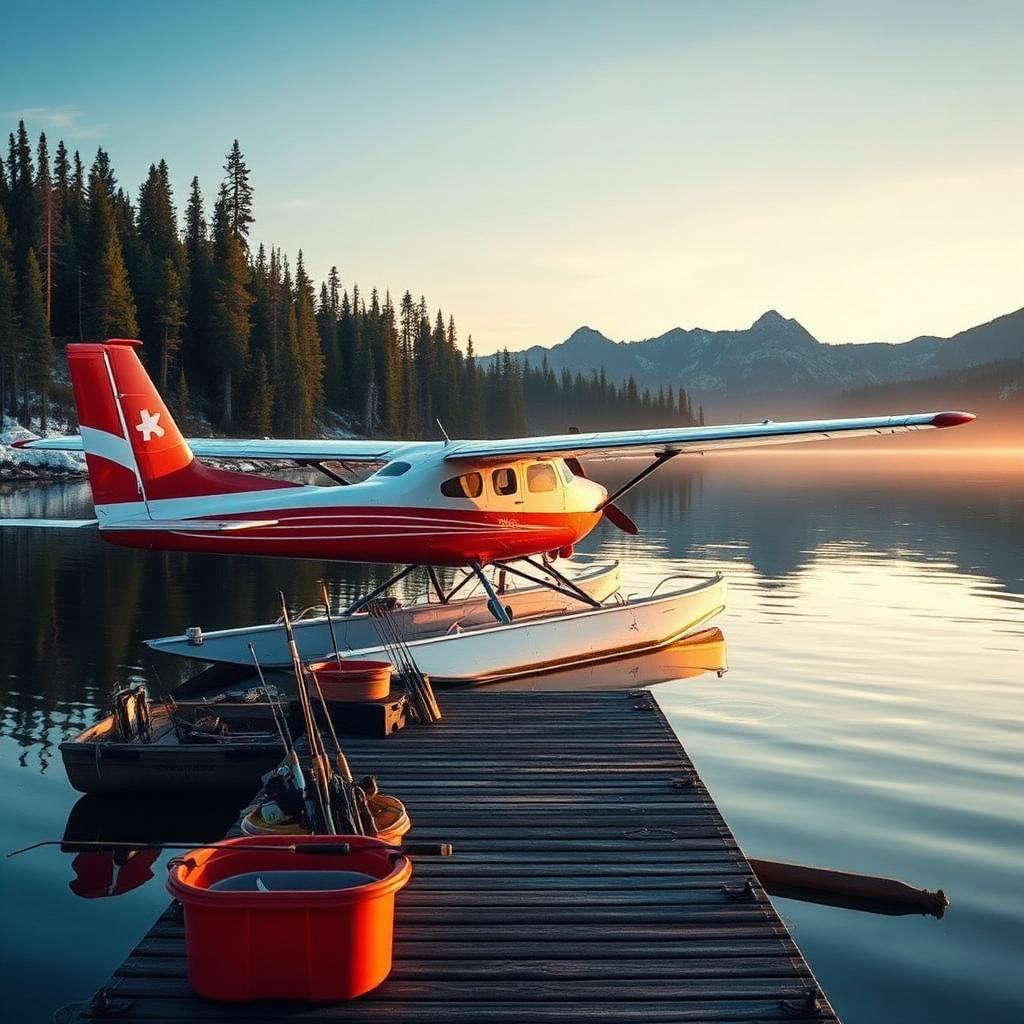
Fly-In Fishing in Northern Ontario: What to Expect
Floatplane bases, staging towns, lodge vs. outpost, packing rules and what the fishing is actually like on Ontario's remote lakes.
Fishing Spots
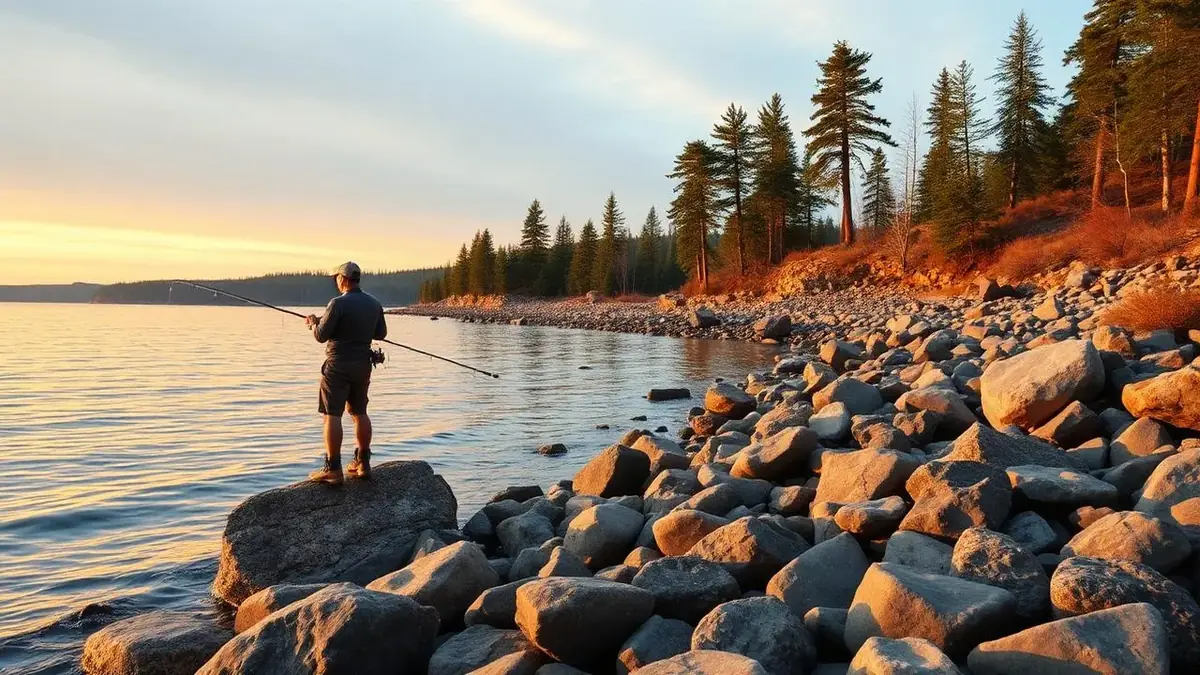
Top 10 Shore Fishing Locations in Ontario
Your Complete Bank Angler's Guide — No Boat Required.
Fishing Spots
Top 10 Crown Land Hot Spots Every Ontario Angler Should Know
Free camping, unpressured water, and true wilderness — ten Ontario Crown land regions where you can cast a line without ever seeing another boat.
Topic Hub
Pike & Muskie Ontario
Everything you need on this topic