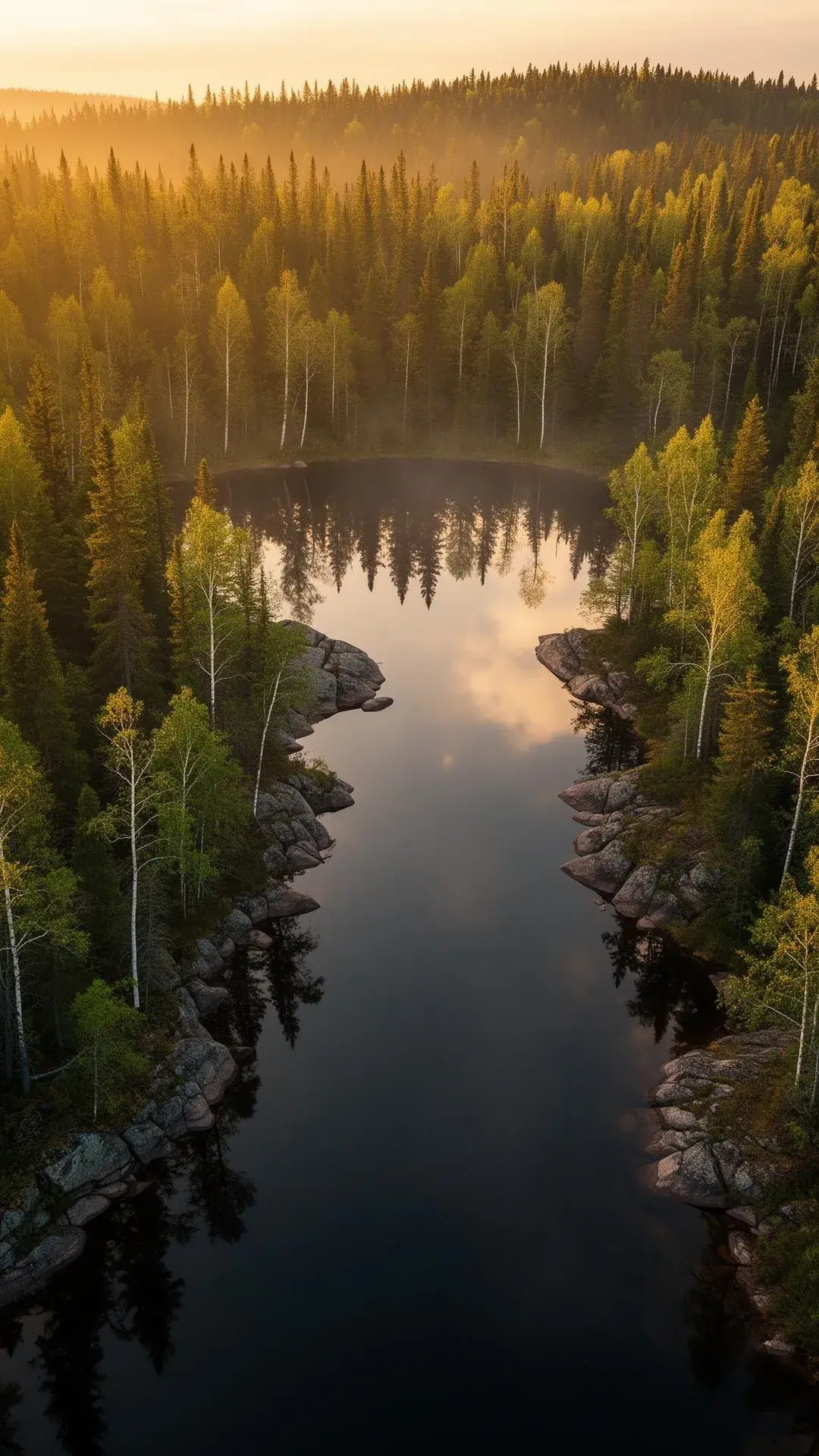
The aquatic landscape of Northern Ontario represents the most expansive and ecologically significant freshwater fishery in North America — a region where glacial geology and boreal hydrology have created an unparalleled sanctuary for sportfish. Stretching from Lake Superior's granite cliffs to the limestone lowlands of James Bay, this territory encompasses hundreds of thousands of waterbodies, including over 70,000 fishable lakes in the Sunset Country region alone.
For the professional angler, the industry stakeholder, and the conservation biologist, Northern Ontario is not merely a destination but a complex, managed ecosystem supporting a multi-billion dollar tourism industry centered on walleye, northern pike, smallmouth bass, lake trout, and the world-renowned brook trout.
The fundamental character of Northern Ontario fishing is dictated by the Canadian Shield, a massive Precambrian formation scoured by successive glaciations into deep cold-water basins, sprawling rivers, and tea-stained lakes. Western lakes in Sunset Country often feature high clarity, while the French and Mattawa systems run dark with tannins — environmental factors that directly drive fish behavior and local technique.
The province is managed through 20 Fisheries Management Zones (FMZs), each with regulations tailored to local population dynamics and conservation goals. Zone 11 covers the North Bay/Temagami region; Zone 16 spans the southern shield transition. This regulatory granularity ensures everything from Lake Nipissing's sandy reaches to Nipigon's volcanic troughs can be managed sustainably.
| Region | Hub Cities | Geography | Top Species |
|---|---|---|---|
| Sunset Country | Kenora, Dryden, Fort Frances | 70,000+ lakes, Precambrian Shield | Walleye, Pike, Muskie, Bass |
| Superior Country | Thunder Bay, Nipigon, Terrace Bay | Coastal Superior, boreal forest | Brook Trout, Steelhead, Lake Trout |
| Algoma Country | Sault Ste. Marie, Wawa, Hearst | High relief, river systems | Brook Trout, Walleye, Pike, Bass |
| Northeastern Ontario | North Bay, Cochrane, Timmins | Heritage rivers, James Bay lowlands | Walleye, Pike, Sturgeon, Perch |
Sunset Country is perhaps Canada's most famous angling destination, built on the sheer volume of water and species available. International travelers cross at International Falls/Fort Frances, Baudette/Rainy River, or Pigeon River.
The crown jewel is Lake of the Woods — over 14,000 islands and 65,000 miles of shoreline. World-class muskellunge and visible-water smallmouth thrive on its rocky habitats. Further north, Lac Seul stands as the "Walleye Capital of the World," maintaining virgin-quality fishing through strict conservation policies and remote outpost-only access.
Superior Country is defined by the world's largest freshwater lake. The Nipigon River holds the world record for brook trout (14.5 lbs) — a 1915 benchmark that still draws specialists. Thunder Bay and Red Rock are the staging grounds for Superior's lake trout and salmon adventures.
Inland, lakes like Dog Lake offer paradise-grade walleye and smallmouth fishing, while spring and fall steelhead runs explode in the Superior tributaries. Wilderness North and other fly-in services unlock virtually unpressured brook trout and pike waters in the boreal interior.
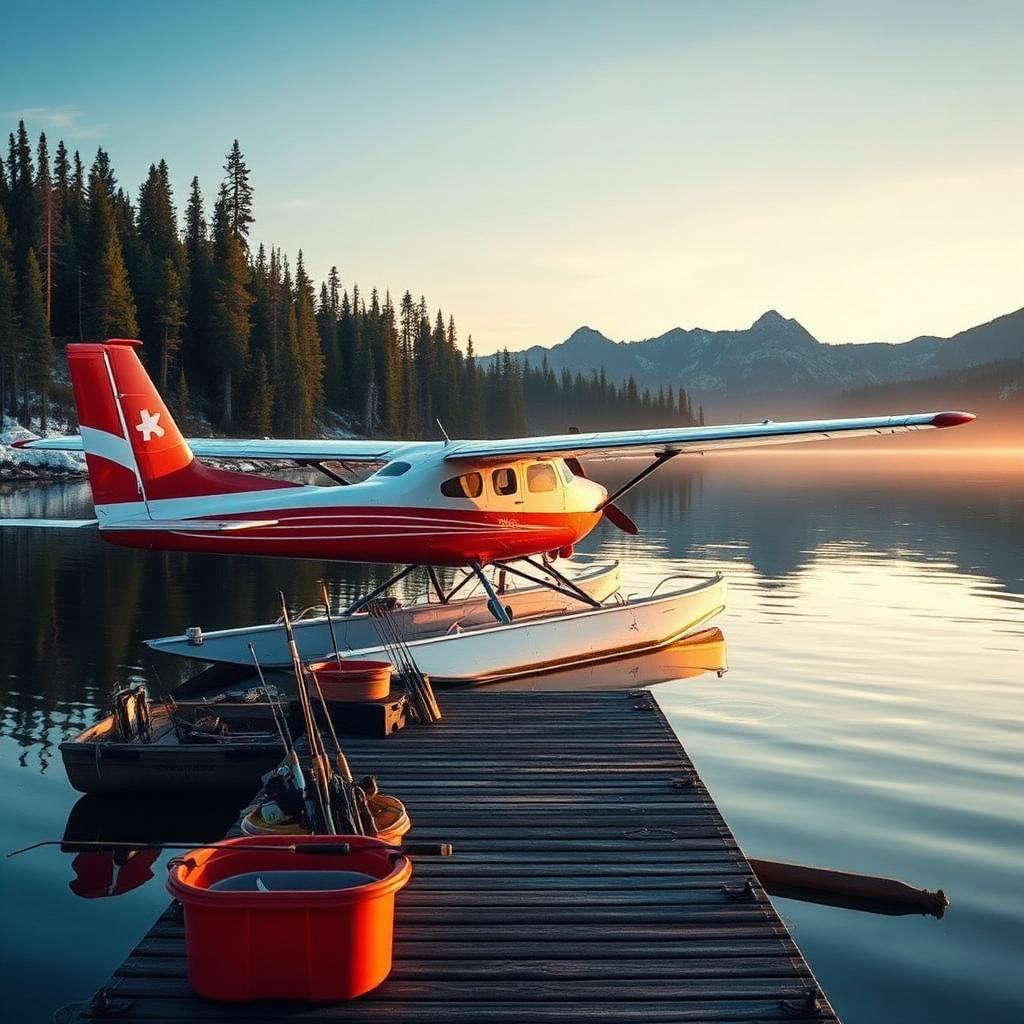
Algoma is rugged, dense, and historically the birthplace of much of Ontario's fly-in fishing culture. From Wawa, Hearst, and Nakina, DHC-2 Beavers transport anglers to remote lakes like Esnagami, Kaby, and Nagagami.
Algoma is also the premier wild brook trout destination in North America. Outfitters like Esnagami Wilderness Lodge and Hearst Air Service specialize in river-based 'speck' adventures, including legendary Sutton River trips. Standard gear: a 9-foot 5- or 6-weight rod (8-weight for Nipigon's wind), with Muddler Minnows, Clousers, Woolly Buggers, and deer-hair mice patterns.
The French River — designated a Canadian Heritage River in 1986 — runs 110 km from Lake Nipissing to Georgian Bay. It's a multi-species paradise for walleye, smallmouth and largemouth bass, and 50-plus inch muskellunge. Bear's Den Lodge has hosted world-record muskie catches.
Further north, Cochrane is the launch point for Ontario's most remote adventures. Cochrane Air Services operates in 7,000 square miles of protected wilderness with 30+ outpost cabins. Lakes like Edgar, Chappa, and Audrey deliver virgin-quality walleye, perch, sturgeon, and trophy pike.
Walleye fishing on the Shield has shifted toward sound and vibration integration — small willowleaf blades spinning below jigheads (e.g., the ReelBait Flasher) significantly outperform plain rigs in stained northern water.
- Bucktail Jigs (1/4–3/8 oz, black/purple/perch) for ripping 'weed walleyes' out of vegetation
- Swimbaits on 1/2–1 oz jigheads worked along rocky points with 7'–7'2" medium spinning rods
- Slow Death Rigs with #2 Tru-Turn Aberdeen hooks and scented crawler nubs for scattered fish
- Pike: speed-spooning with Lindy Vikings and XL Dardevles to trigger reaction strikes
- Muskie: Savage Blades and Spanky Baits with black/orange combos for stained water
- Brook trout: float rigging with controlled drifts through slow pools
Drive-in lodges (Pasha Lake Cabins, Stanley's Resort) offer maximum flexibility with American Plan or housekeeping packages. Boat-in lodges (Ellen Island Camp on Lady Evelyn) bridge accessibility and isolation. Fly-in outposts — typically the only structure on a lake — deliver total privacy.
The DeHavilland Beaver remains the industry workhorse. A typical fly-in package includes return flight, fully equipped cabin (propane stove, fridge, lights), boats with motors and fuel. Anglers bring food, personal gear, and tackle.
All anglers aged 18–64 require an Ontario fishing license and valid Outdoors Card. The Outdoors Card is valid 3 years; licenses come in 1- or 3-year terms.
| License | Duration | Limit Type | Estimated Cost (CAD) |
|---|---|---|---|
| Outdoors Card | 3 Years | N/A | $8.57 + HST |
| Sport License | 8 Days | Full Limits | $54.38 + HST |
| Conservation License | 8 Days | Reduced Limits | $31.52 + HST |
| 1-Day Sport License | 24 Hours | Full Limits | No Outdoors Card needed |
Slot limits protect breeding populations: in many northern zones, all northern pike between 27.5″ and 35.4″ must be released immediately. Walleye limits often restrict anglers to a single fish over a length threshold (e.g., 46 cm) to protect the largest females.
- Gill Hold: slide hand between jaw and gill plate for pike and muskie (avoid gill damage)
- Mouth Hold: thumb-and-finger pinch for bass and crappie
- Horizontal Support: always support a fish's weight horizontally
- Immediate Release: release at point of capture for out-of-season or prohibited-size fish
- Bait: obtain from the local zone, retain receipts; non-residents cannot import live bait
- Clean, Drain, Dry: every vessel and piece of gear between waterbodies
Highway 17 (Trans-Canada) is the world-famous Lake Superior coastal route — Sault Ste. Marie, Lake Superior Provincial Park, Agawa Rock, Old Woman Bay, Terry Fox Monument. Access to coastal brook trout, steelhead, and Algoma's interior lakes.
Highway 11 cuts the boreal heartland through Cochrane, Hearst, and Temagami — a 'frontier' route favored for the northeast fly-in bases. Don't miss the flying saucer in Moonbeam.
Walleye (Sander vitreus): Photophobic. Dark tannin lakes (French River, Nipissing) produce all-day bites; gin-clear lakes are dawn/dusk only. Spawn 40–50°F on rocky river bottoms in May. Summer fish stack on the thermocline at 20–35 ft.
Northern Pike (Esox lucius): The most widely distributed game fish. Trophy 35"+ fish move out of cabbage to main-basin sand and rock in 25–35 ft, hunting cisco and whitefish. 'Loud' baits — rattlebaits, oversized spoons — call fish from great distances.
Muskellunge (Esox masquinongy): Northernmost range. French River and Lake of the Woods are world-class. Many premier waters are catch-and-release-only or carry 54"+ minimums. Target multi-faceted points and current-funneled neck-downs.
Lake Trout (Salvelinus namaycush): Need <55°F, highly oxygenated water. Cruise shallows immediately post ice-out, then retreat to 60–100+ ft for downrigger trolling and vertical jigging.
Brook Trout (Salvelinus fontinalis): Bioindicator species. The Nipigon strain is genetically unique and grows huge under catch-and-release management. Sutton River brook trout will famously crush mouse patterns on the surface.
The recreational fishing industry is a vital economic driver, sustaining hundreds of small communities and justifying the protection of millions of acres of boreal wilderness. Lodges increasingly market catch-and-release as a premium experience, and the Conservation License reflects evolving angler ethics.
Modern northern fishing is no longer low-tech — high-resolution side-imaging, forward-facing sonar (FFS), and satellite communication in remote outposts have changed how anglers interact with the Shield. Lodges are diversifying with kayaking, wildlife viewing, and cultural tours to ensure long-term viability.
Through continued adherence to slot limits, catch-and-release ethics, and invasive species protocols, the lakes and rivers of Northern Ontario will continue to provide world-class experiences for generations to come.
More fishing near Northern Ontario
Topic Hub
Walleye Fishing Ontario
Everything you need on this topic
Related Articles
Fishing Spots
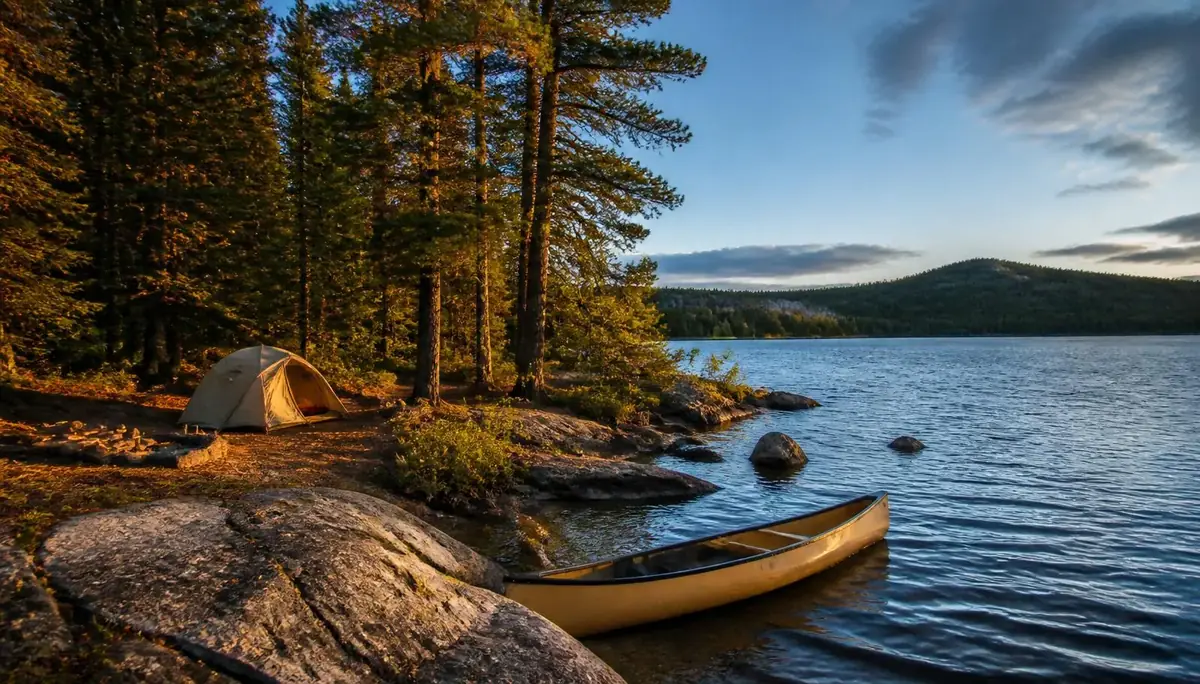
Top 10 Crown Land Hot Spots Every Ontario Angler Should Know
Free camping, unpressured water, and true wilderness — ten Ontario Crown land regions where you can cast a line without ever seeing another boat.
Fishing Spots
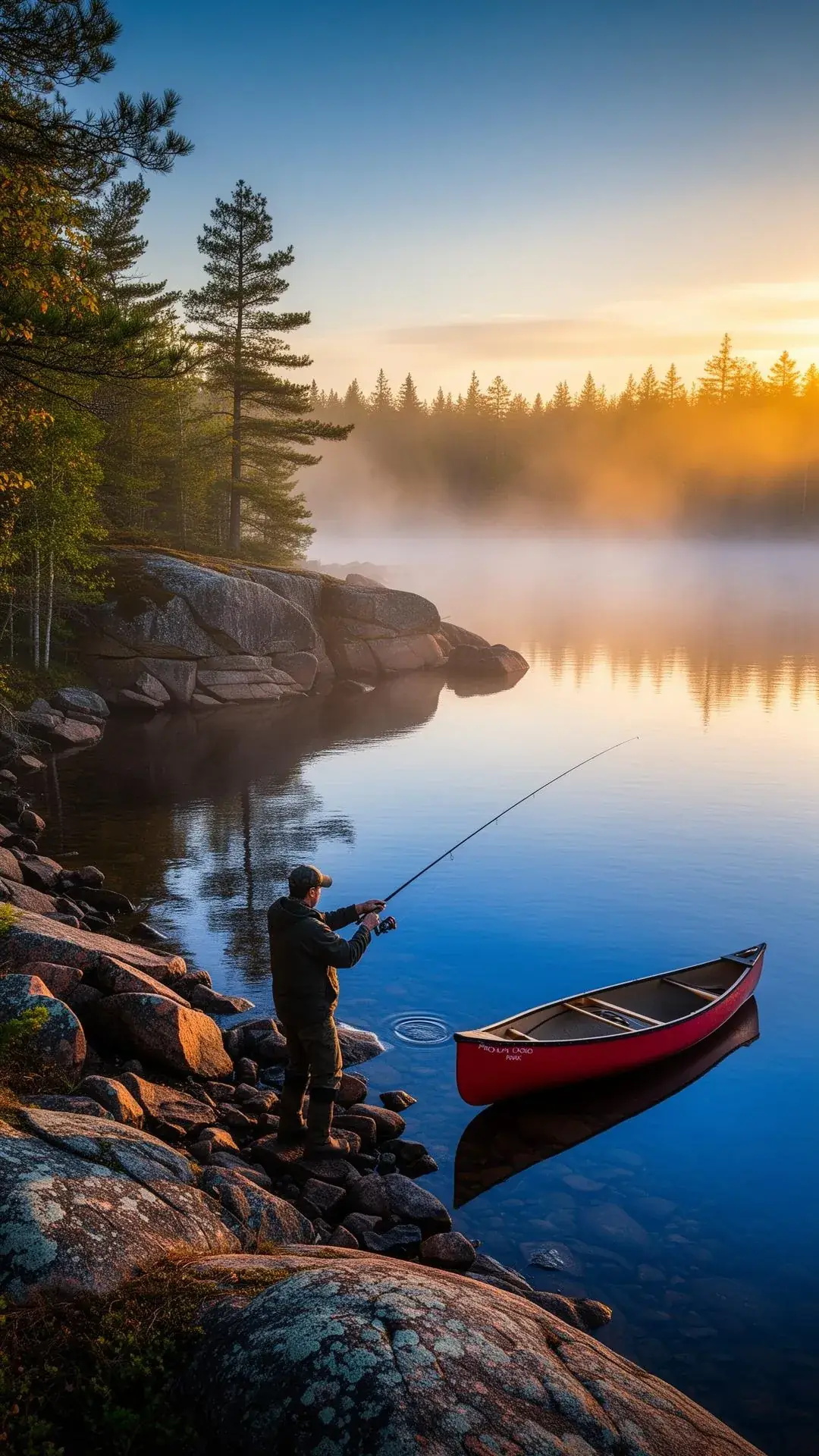
Fishing Ontario's Provincial Parks: A Province-Wide Guide to Casting in Protected Waters
From Algonquin's brook trout to Wabakimi's walleye — how to fish Ontario's best-protected, least-pressured waters.
Fishing Spots
Fly-In Fishing in Northern Ontario: What to Expect
Floatplane bases, staging towns, lodge vs. outpost, packing rules and what the fishing is actually like on Ontario's remote lakes.