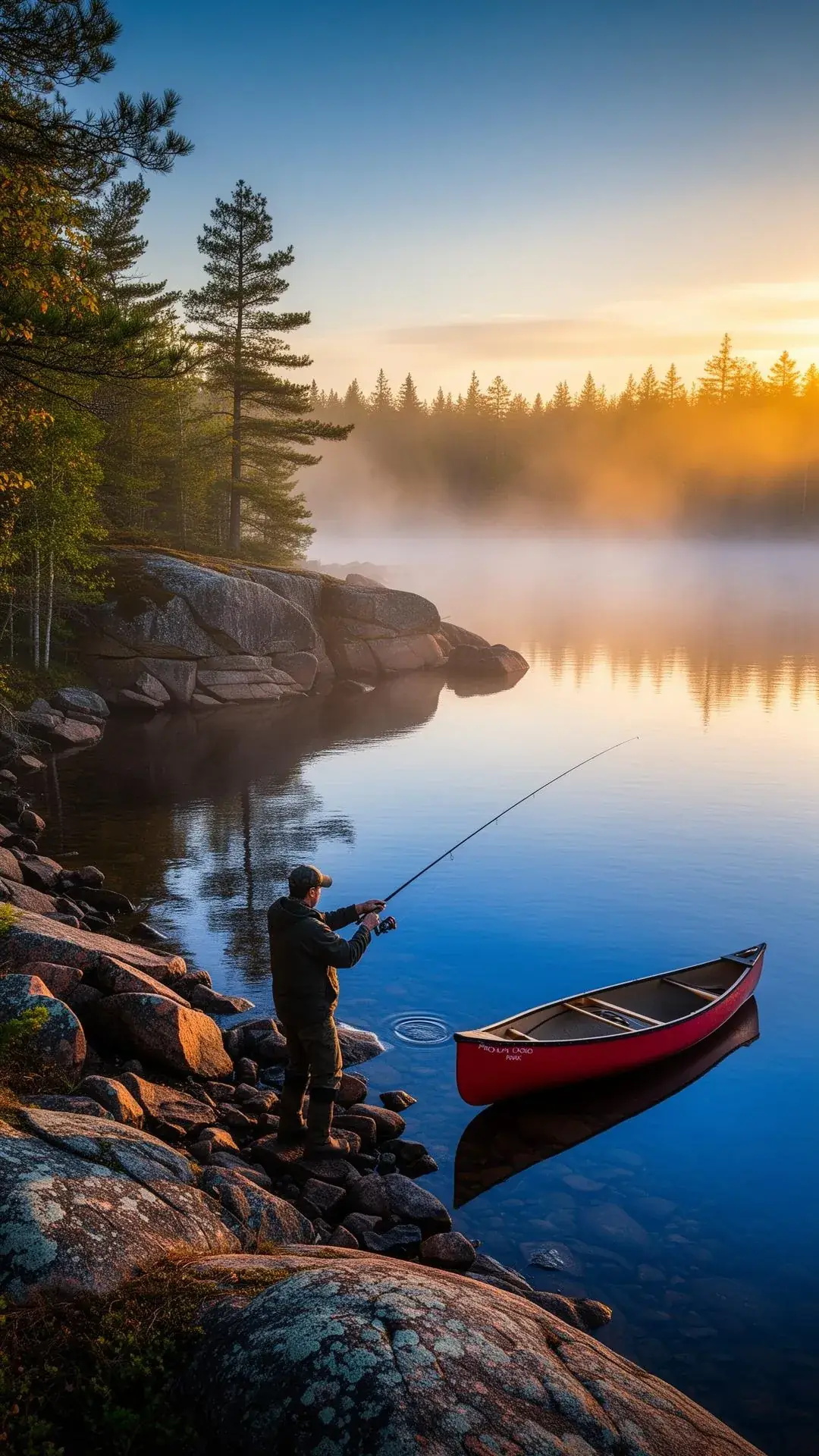
The Highway 60 corridor in Algonquin Provincial Park is iconic — a bustling lifeline of campgrounds, interpretive trails, and accessible lakes that draws hundreds of thousands of visitors. But for those willing to embrace a little sweat equity, the real Algonquin lies beyond the paved blacktop and the established, noisy routes.
We recently traded the crowds of Opeongo for the whispers of a remote creek in the park's underfished interior. Our objective: to find pristine habitat for native brook trout, away from the influence of stock trucks and weekend warriors.
Algonquin is famous for its massive, wind-swept lakes, but its true circulatory system is defined by narrow, tannin-stained creeks and minor rivers that connect these giants. Many of these routes are marked on maps as 'unmaintained,' a classification that deters 90 percent of recreational paddlers.
These are the quiet corridors. They require navigation, bushwhacking, and a high tolerance for beaver dams. When you find yourself dragging a cedar-strip canoe over a slick stick jam for the third time in an hour, you know you are close to solitude. The reward for this labor is water that sees only a handful of lines per year.
The brook trout (Salvelinus fontinalis) of Algonquin's interior are not massive. A 14-inch fish is a trophy. What they lack in size, they compensate for in startling beauty and raw aggression.
These are native, self-sustaining populations, perfectly adapted to their environment. Their colors are intense — deep orange bellies, brilliant white-edged fins, and worm-like vermiculations across their backs. Fishing for them is less about high-tech science and more about stealth and precision.
Fishing these remote corridors is fundamentally different than working a heavy-pressured river. The trout are wary; the snap of a twig or a careless wade will shut down a pool instantly. Crowds are simply not an option, because they ruin the fishing before it even starts.
Our guide for the trip, a park veteran, emphasized two tactics:
- The Drift Hunt: Forget long distance casting. Success on these streams involves locating fish first. The water is often low and clear. We searched for holding lies — undercut banks, deep riffles, and the shadows behind boulders. The angler moves slowly upstream, making short, accurate casts to specific targets.
- The Downsized Offering (Again): Building on the 'small streamer' report, we found the technique doubly effective here. Instead of large buggers, we dropped to #10 and #12 patterns, often using a classic, subtle Muddler Minnow or a dark, general-profile pattern that resembles a leech or a small stonefly. These small profiles land gently and look organic in the wild environment.
The primary advantage of fishing the underfished interior is not just the action; it's the environment. Without the background drone of cars or other anglers, the river itself speaks. You hear the deep buzz of insects and the calls of loons from the next lake.
In our three days on this remote creek, we did not see another person. The brook trout were willing participants, responding readily to small flies presented softly in tight pockets.
If you are seeking easy access and big-water tactics, the unmaintained interior is not for you. But for the angler who defines a successful trip by solitude and the opportunity to release a flawless, wild fish into perfectly quiet water, Algonquin's small, forgotten corridors are the ultimate destination. The map says they are difficult to reach; the river says they are worth the effort.
More fishing near Algonquin Park
Topic Hub
Trout Fishing Ontario
Everything you need on this topic
Related Articles
Species Guides
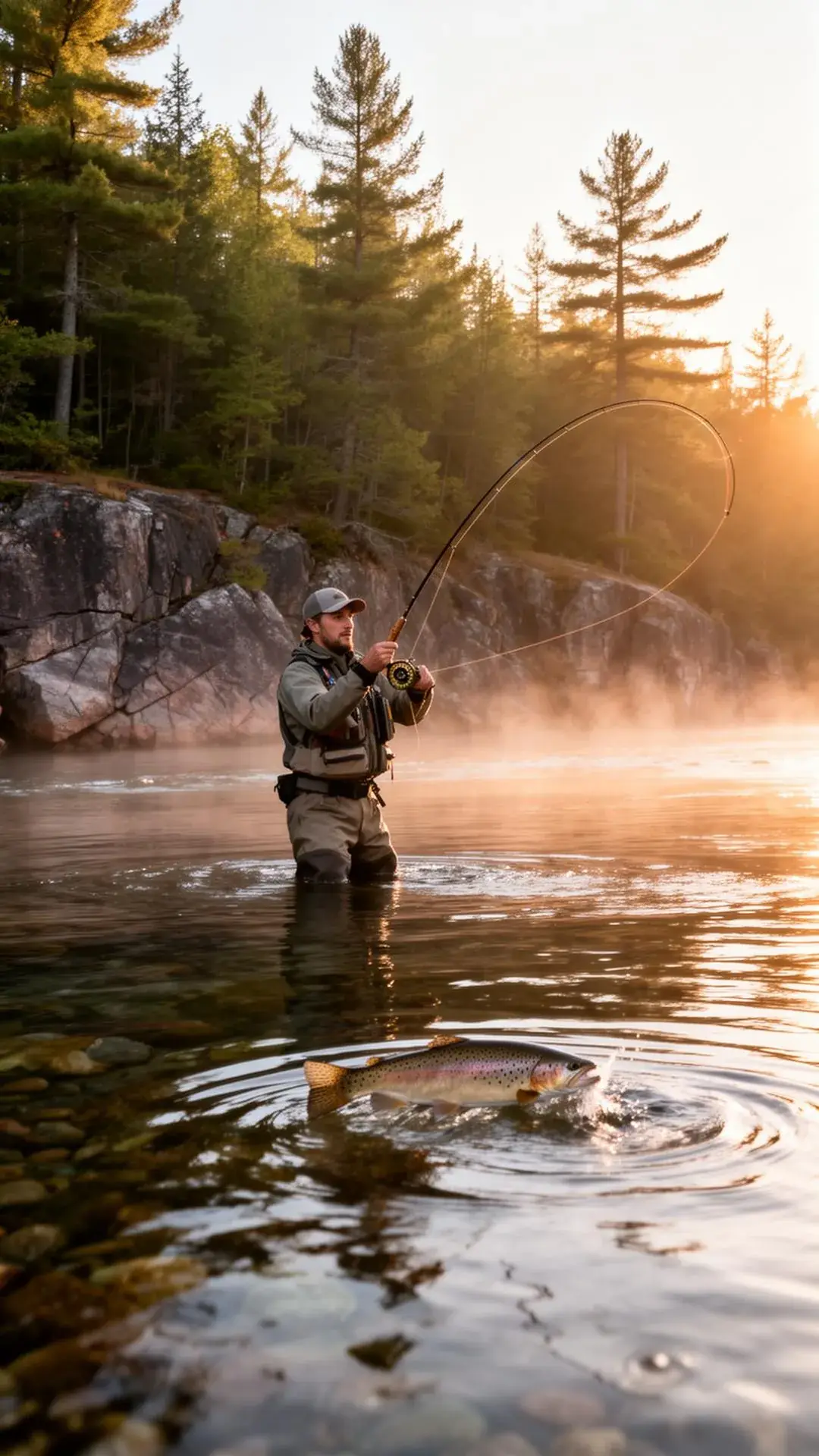
Fly Fishing Ontario: The Complete Guide to Casting Across the Province
From Algonquin brookies to Georgian Bay steelhead — species, rivers, techniques, flies, gear, and seasons for fly anglers across Ontario.
Species Guides
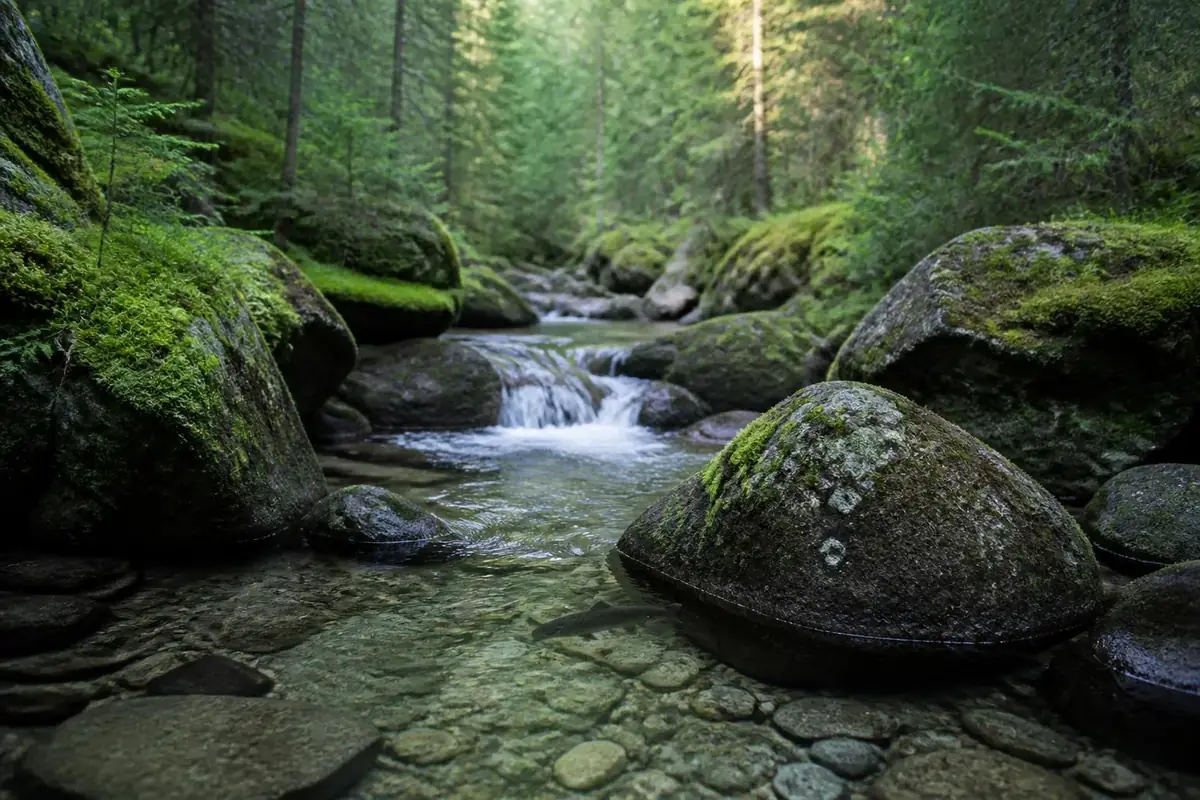
Into the Bush: Targeting Brook Trout in Ontario's Backcountry Streams
How to find, fish, and protect wild native brook trout in the cold, cedar-lined creeks of the Canadian Shield.
Fishing Spots
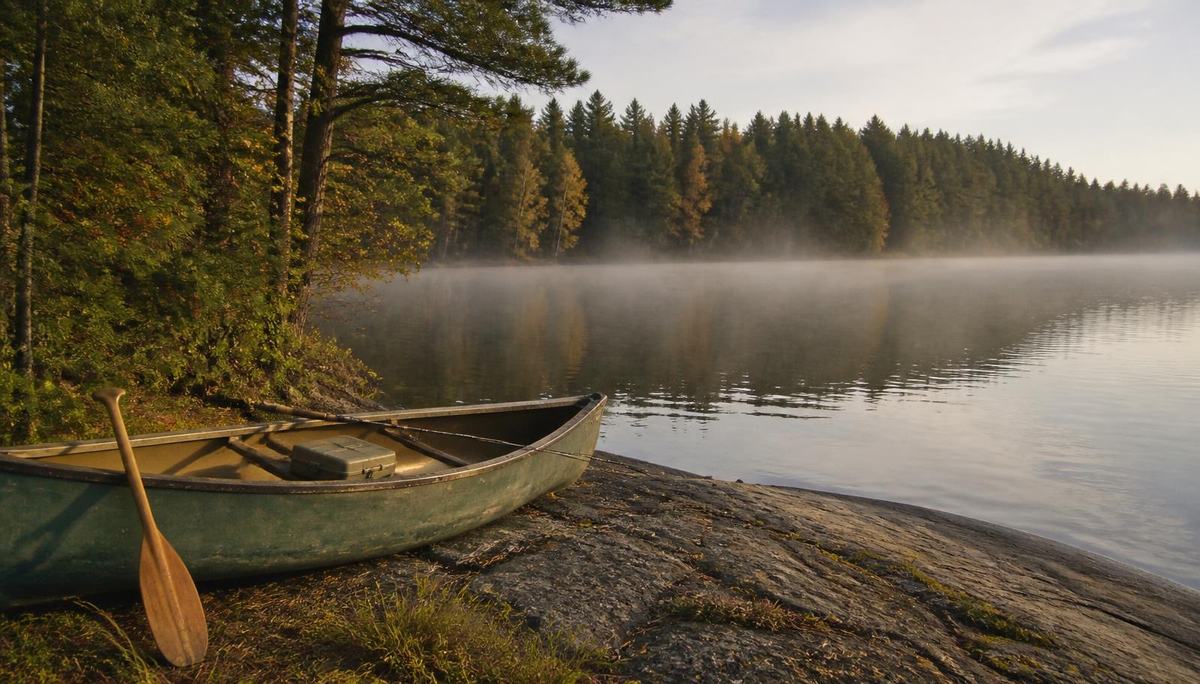
The Algonquin Canoe-In Fishing Guide
Where to launch, what's biting, and how to reach the trout water most anglers never see.
Topic Hub
Trout Fishing Ontario
Everything you need on this topic