As the roar of the spring runoff begins to settle into a steady hum, a curious phenomenon takes hold of our river systems. The debris clears, the visibility stretches from inches to feet, and the frenetic energy of early spring gives way to a more calculated aquatic dance. For many fly anglers, this 'post-runoff' window in May is a call to arms — an invitation to tie on the largest, flashiest articulated predator patterns in the box.
However, beneath the surface of Ontario's cooling currents, a different story is unfolding. While the 'big fly, big fish' mantra holds weight in the dark depths of November, the bright, clear days of May often demand a more subtle approach.
Runoff is a chaotic veil. When the water is stained chocolate-milk brown, a fish's lateral line does the heavy lifting, and a massive, water-pushing streamer acts as a beacon. But as May progresses, the 'curtain' rises.
In clear water, predatory trout and bass become increasingly visual and, by extension, more skeptical. A four-inch streamer dressed in tinsel can look less like a meal and more like a threat under the scrutiny of high-noon sun. Downsizing to a #6 or #10 streamer — something in the realm of a Woolly Bugger or a small Muddler Minnow — reduces the 'intimidation factor,' allowing the fish to commit without the fear of a counter-attack from an oversized prey item.
We often forget that May is the grand opening of the insect season. While we think of streamers as baitfish imitations, a small, dark streamer frequently acts as a 'bridge' fly. To a hungry fish, a slim-profiled streamer in olive or black can easily be mistaken for:
- Large Stonefly Nymphs: Moving toward the banks to hatch.
- Leeches: Becoming active as water temperatures hit the magic 10–12°C mark.
- Emerging Dragonflies: Providing a protein-rich snack.
Post-runoff fish are often in a state of recovery. Having spent weeks battling heavy flows, they are looking for the highest caloric return for the lowest physical investment.
A large, aggressive streamer often requires a high-speed strip to look 'alive,' which forces a fish to chase. Conversely, a small streamer can be fished with a 'dead-drift and swing' technique. This mimics a disoriented or injured baitfish tumbling in the current — an easy, low-effort meal that a weary walleye or trout simply cannot pass up.
Beyond the biology, there is a mechanical benefit to the small-fly approach:
- Precision Casting: Small flies are easier to tuck into tight pockets and under overhanging cedar sweeps where fish hide from the May sun.
- Delicate Entry: In lower, clearer water, the 'plop' of a heavy sink-tip and a massive fly can spook an entire pool. A small streamer lands with a whisper.
- Higher Hook-up Ratios: Small streamers are typically built on single, short-shank hooks. This leads to better corner-of-the-mouth sets compared to the 'short strikes' often associated with long, multi-hook articulated patterns.
The temptation to go 'big and flashy' is rooted in the thrill of the hunt, but the most successful anglers in the May window are those who can read the room. When the water clears and the sun brightens, the small streamer is the silent killer. It is the fly that doesn't demand attention, but rather earns it through quiet, irresistible competence.
This season, when you reach for the articulated monster, consider the humble bugger instead. Sometimes, the best way to stand out is to blend in.
Topic Hub
Trout Fishing Ontario
Everything you need on this topic
Related Articles
Gear Reviews
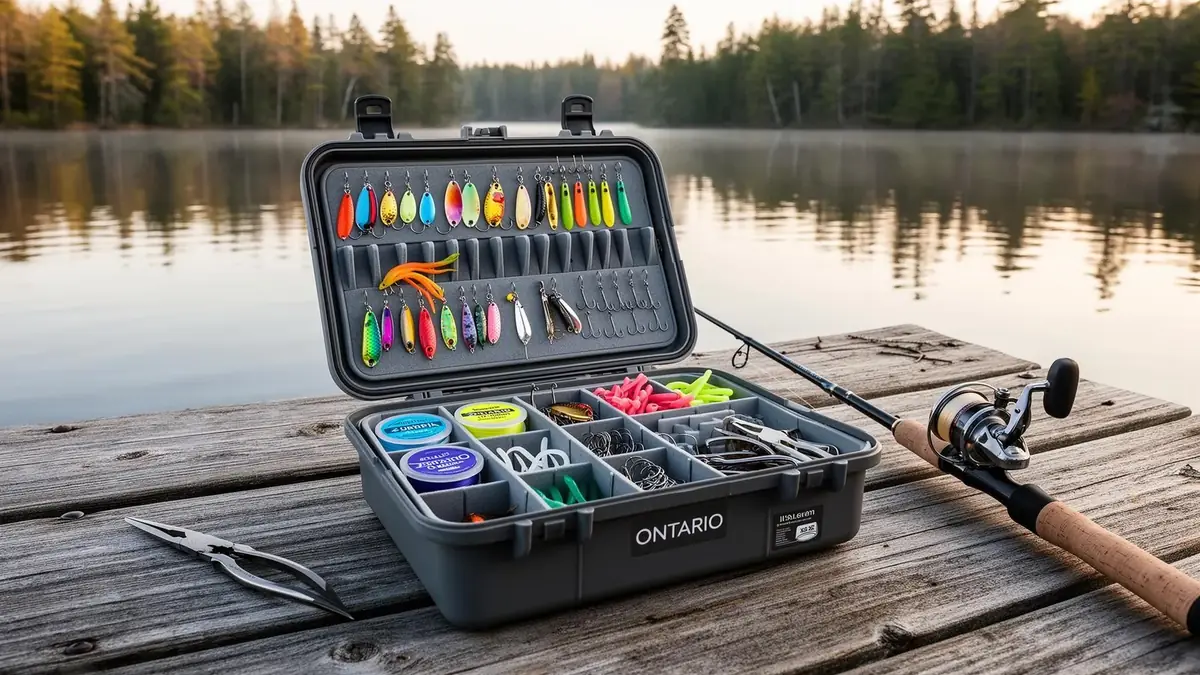
The Ultimate Ontario Tackle Box Checklist
A practical, Ontario-focused list of the rods, lines, hooks, lures, and tools that actually belong in your box — and why.
Gear Reviews
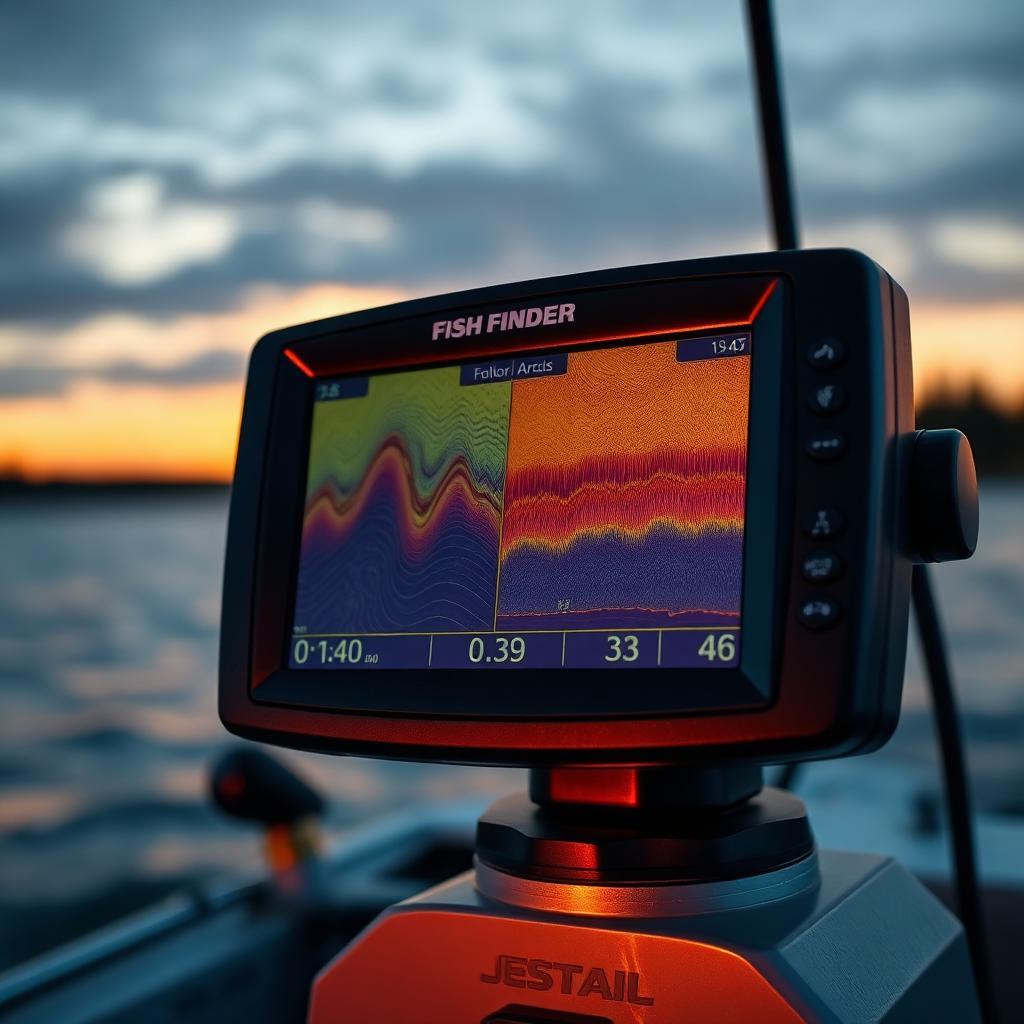
How to Read a Fish Finder: A Beginner's Guide
Sonar cones, arches, bottom hardness and screen settings — decoded so a modern fish finder stops being noise and starts putting you on fish.

Fishing Spots
Ontario's Ultimate Fishing Guide 2025–2026
The Best Lakes for Walleye, Bass, Trout & Pike — 20+ Access Points, Local Tips, Tackle Reviews & Weekend Trip Destinations
Topic Hub
Trout Fishing Ontario
Everything you need on this topic