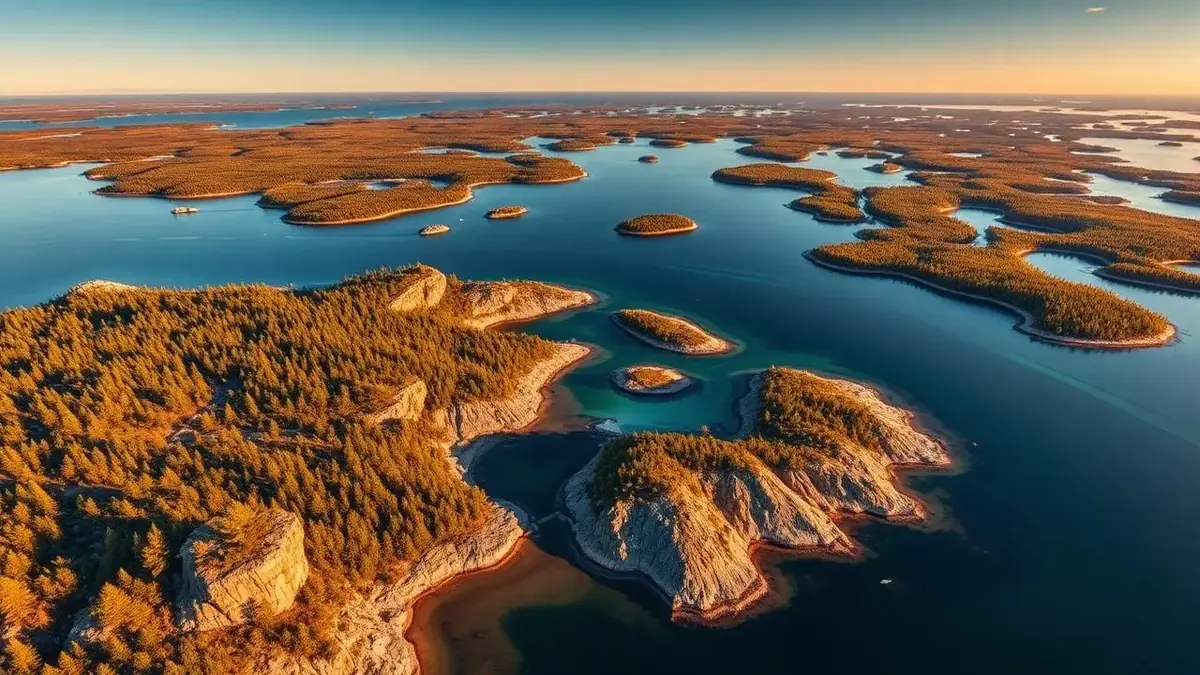
Welcome to the Hooked Ontario community. This guide is built for anglers of all levels — from weekend warriors to seasoned pros. Our mission is simple: to provide you with the technical knowledge, community updates, and regional insights needed to ensure every cast counts.
This manual focuses on the specific biology, habitats, and professional-grade equipment required to master Ontario's diverse fisheries.
Hooked Ontario exists to bring anglers honest, field-tested information — not affiliate fluff. From the Great Lakes shoreline to the boreal interior, this guide treats fishing as a craft worth getting right.
The 'crown jewel' of Ontario's table fare, the walleye is a highly specialized low-light predator.
Identification: Look for the distinct white tip on the lower lobe of the tail fin and a lack of scales on the cheeks.
Tactics: Utilize the 'One-Two Punch' strategy — using a high-energy attraction lure (like a rattle spoon) in one hole to draw fish in, and a live bait jig in the second for the strike.
- Rod: 6'6" to 7'0" medium-power, fast-action spinning rod
- Reel: size 3000 spinning
- Baits: 1/8–3/8 oz lead head jigs, Rapala Shad Raps in perch or crayfish, live minnows
Often called 'freshwater sharks,' these apex predators require heavy-duty equipment and high-energy presentations.
Northern Pike: light yellowish spots on a dark green background; thrives in quiet, vegetated water.
Muskellunge: dark vertical bands and sharply pointed tail-fin tips.
- Rod: 8'0" to 9'0" heavy action baitcasting
- Line: 65–100 lb braided
- Use Forward-Facing Sonar (FFS) to watch musky tracks; if they follow but won't commit, change retrieve speed instantly or perform a figure-eight at boatside
Ontario offers world-class bass fishing, with the Great Lakes regularly producing trophy specimens exceeding 5 lbs.
| Species | Primary Habitat | ID Key | Best Presentation |
|---|---|---|---|
| Smallmouth | Clear, rocky shoals, Great Lakes | Jaw does not extend past eye | Ned rigs, tube jigs, drop-shots |
| Largemouth | Warm, weedy bays, lily pads | Jaw extends past eye | Topwater frogs, spinnerbaits |
| Season | Best Targets | Highlight Locations | Technique |
|---|---|---|---|
| Spring | Lake Trout, Walleye | Lake Ontario nearshore, Niagara River | Troll spoons in <50 ft |
| Summer | Smallmouth, Largemouth | Hamilton Harbour, Kawartha Lakes | Target weed edges and rocky humps |
| Fall | Chinook Salmon, Musky | Bronte Creek, Credit River, French River | River runs peak in September after heavy rains |
| Winter | Perch, Walleye, Trout | Lake Simcoe, Bay of Quinte | Ice fishing — ice must be 10–15 cm thick minimum |
- Hamilton Harbour: multi-species haven; McCassa Bay is a top spot for largemouth and jumbo perch
- Bronte Creek: famous for the fall Chinook migration (mid-Sept to late Oct) and spring steelhead
- Mountsberg Conservation Area: angler's mecca for trophy largemouth (>5 lbs) and northern pike — non-motorized boats only
- Sixteen Mile Creek: resident smallmouth in summer; migratory rainbow trout in spring
- Grindstone Creek: lower reaches near Burlington Bay estuary hold pike, black crappie, and white bass
In 2026, Forward-Facing Sonar (FFS) has changed the game by providing a live ultrasound-like view of the water.
- Precision Casting: pinpoint fish on deep structure or suspended baitfish up to 100 ft from the boat
- Lure Tracking: literally watch a fish swim toward your lure — twitch or pause based on its reaction
- Walleye/Bass line: 10–15 lb braid to 8 lb fluoro
- Musky/Pike line: 80 lb braid to 100 lb fluoro or titanium
- Reels: Shimano Vanford or Daiwa Lexa for cold-weather Canadian reliability
A shore lunch is the ultimate reward after a morning of fishing. While walleye is traditional, pike and perch are equally delicious.
- Preparation: fillet boneless; for pike, remove the Y-bones
- Coating: 50/50 cracker meal and dry batter, seasoned with lemon pepper and garlic powder
- Heat: cast-iron skillet over coals; oil at 190°C / 375°F until it sizzles instantly
- Sides: maple-style canned beans, pan-fried potatoes, fresh lemon wedges
- Licensing: nearly everyone needs an Outdoors Card and a Sport or Conservation license
- Limits: aggregate limits for trout and salmon in FMZ 20 are generally S-5 and C-2
- Round Goby is a significant threat to native fish eggs — illegal as bait; do not return to the water
- Clean, Drain, Dry every vessel and piece of gear between waterbodies to stop zebra mussels and other invasives
Produced for the Hooked Ontario community. For real-time updates and regulations, always check the current Ontario Fishing Regulations Summary.
More fishing near Hamilton & Halton
Topic Hub
Walleye Fishing Ontario
Everything you need on this topic
Related Articles
Species Guides
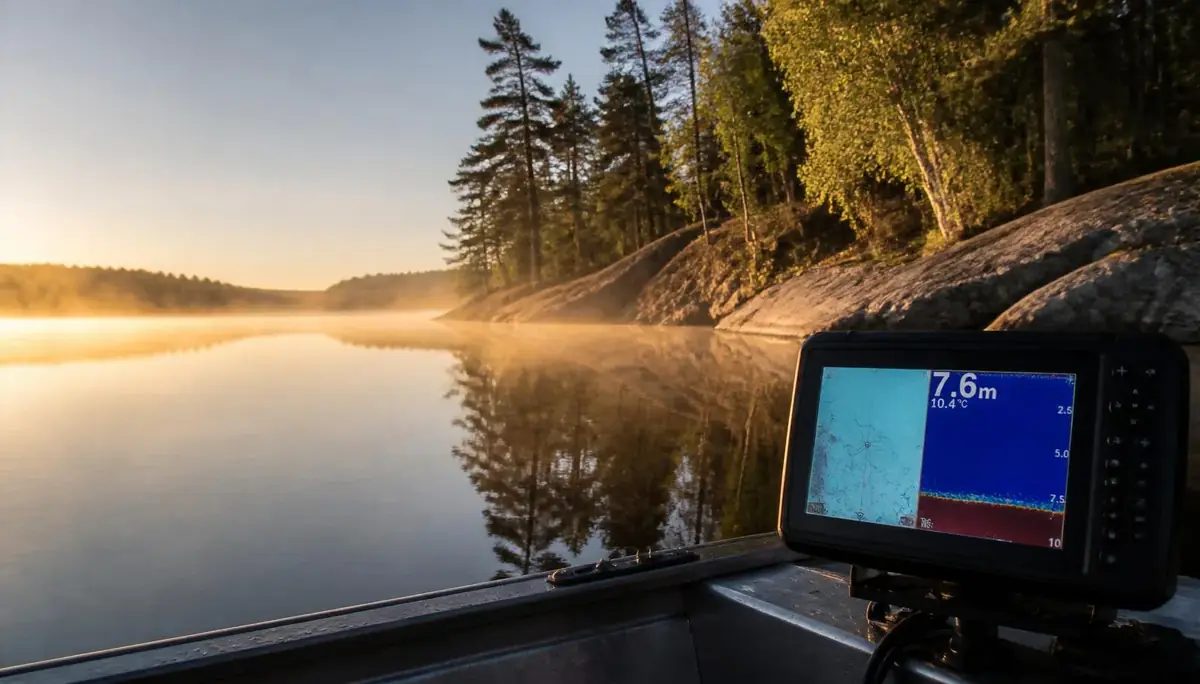
How Water Temperature Shapes Ontario Fishing (And How to Use It to Your Advantage)
Fish are cold-blooded — learn to read water temperature and you'll spend a lot less time guessing where they are and how they'll bite.
Species Guides
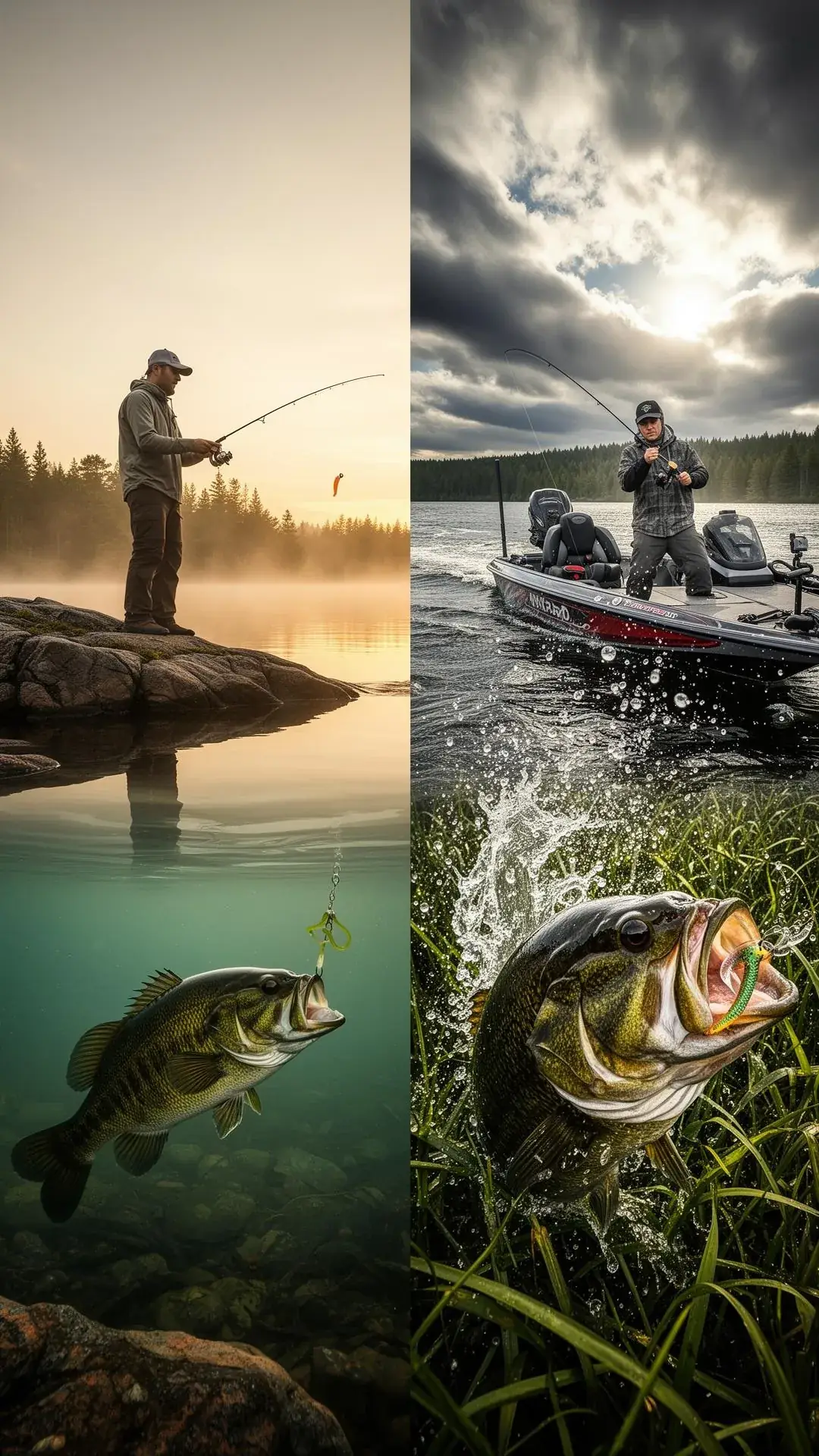
Read the Water, Then Read the Fish: Finesse vs. Power Fishing in Ontario
Both approaches catch fish. The skill lies in reading conditions — clarity, pressure, weather, mood — and knowing which one fits the day in front of you.
Seasons
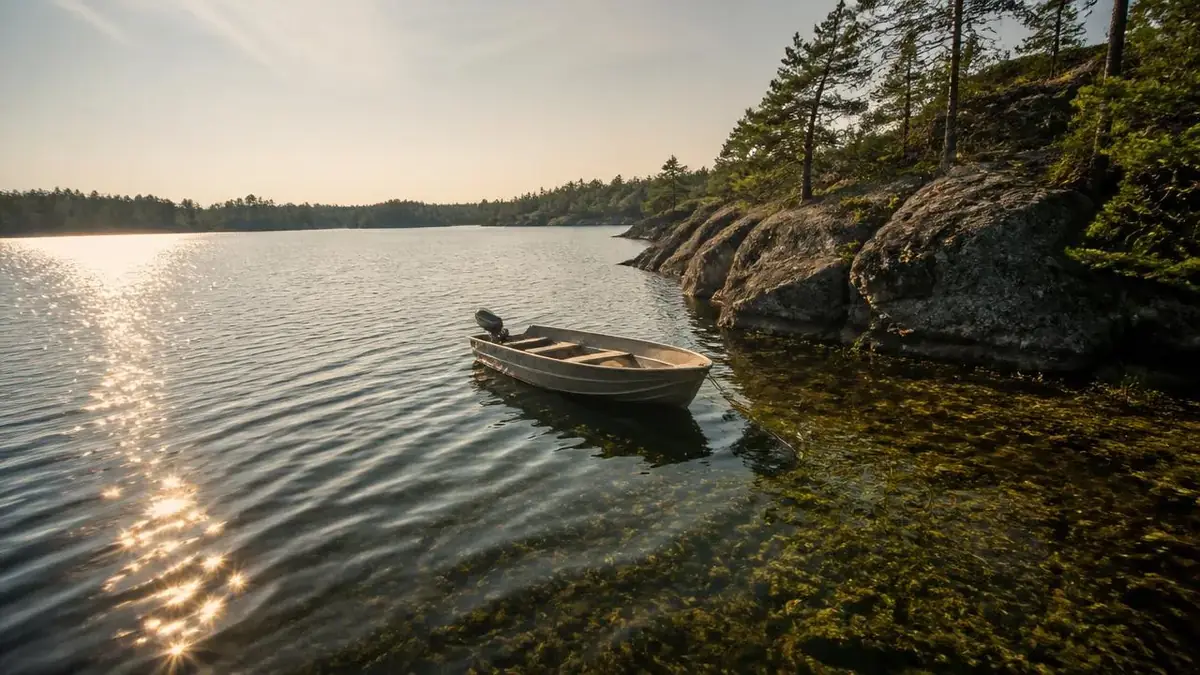
The Ultimate Summer Fishing Guide for Ontario Anglers
What's biting, where to find them, how to fish them, and what gear to bring for every major summer species in Ontario.