There are few experiences more humbling than a full day on a northern Ontario lake with nothing to show for it. The water looks perfect, the lures are fresh, and yet the fish refuse to cooperate. Across the province's roughly 250,000 lakes, this scenario plays out countless times each season, leaving frustrated anglers wondering what went wrong.
The answer, it turns out, is rarely a matter of luck. Fish behaviour is governed by a complex web of environmental signals, and when those signals tip out of balance, the bite shuts off. Here's what's actually going on beneath the surface.
For the full deep-dive — including practical strategies for each scenario — read our dedicated landing page: Gone Quiet: Why Ontario's Fish Stop Biting.
Of all the factors that influence whether fish feed, barometric pressure may be the least visible and most powerful. Changes in pressure are felt by fish in two places: their swim bladder, the organ that keeps them buoyant, and their lateral line, the organ which allows them to detect vibrations and movement in the water.
When a high-pressure system is present, the added pressure on a fish's swim bladder and lateral line can reduce the rate at which they feed, and sends fish with larger swim bladders — such as bass, pike, and trout — into deeper, more pressure-stable water.
The sweet spot, counterintuitively, is often just before a storm. Pressure drops as a storm rolls in, and that drop encourages a feeding frenzy in most species, including lake trout. Once the storm passes, fishing tends to slow quickly as pressure rises and winds die down — making the days after a major system some of the toughest you'll have on the water.
Ontario's seasons create dramatic swings in water temperature, and fish — being cold-blooded — have no choice but to follow. When water temperatures plummet, metabolism slows drastically, leaving fish lethargic and far less interested in feeding.
Each species has its own thermal comfort zone. Northern pike prefer 10–21°C and are aggressive feeders during the cooler periods of spring and fall. Walleye prefer overcast days and stable weather, and sudden temperature changes can significantly affect their feeding patterns.
In spring, as water temperatures climb into the 10–15°C range, walleye and pike enter an aggressive feeding phase to replenish energy reserves depleted during spawning. But as summer heat sets in, that aggression fades — and for good reason.
Ontario's long summer days work against anglers in ways many don't consider. Bright, high-angle sunlight penetrates the water column and makes fish feel exposed. Many species — especially walleye, with their light-sensitive eyes — retreat to deeper water or heavy cover during midday sun.
Most fish are more active in early morning and late evening, when light levels drop and surface temperatures begin to shift. On clear, bluebird days with stable high pressure, the prime feeding window can compress to just a couple of hours on either end of daylight.
Ontario's most accessible lakes — particularly those near population centres in the south — face another pressure entirely: human traffic. Decades of angling on the same waters produces fish that are, by any reasonable measure, wary. Boat traffic, repeated lure presentations, and catch-and-release cycles all condition fish to be more hesitant.
Remote lakes consistently outperform heavily trafficked ones even under identical weather — a contrast guides and outfitters in the north cite often when explaining the gap between southern and northern fisheries.
Understanding why fish stop biting doesn't make them start again, but it does point toward strategies. Check the barometer before heading out, fish the edges of incoming weather rather than after it, target early morning and evening windows, and adjust depth to account for the thermocline.
If no fish bite for 20 to 30 minutes in a given spot, the fish simply may not be there — moving, rather than waiting, tends to produce better results.
The fish are almost always somewhere. The job, as any seasoned Ontario angler will tell you, is figuring out where and why.
Topic Hub
Bass Fishing Ontario
Everything you need on this topic
Related Articles
Species Guides
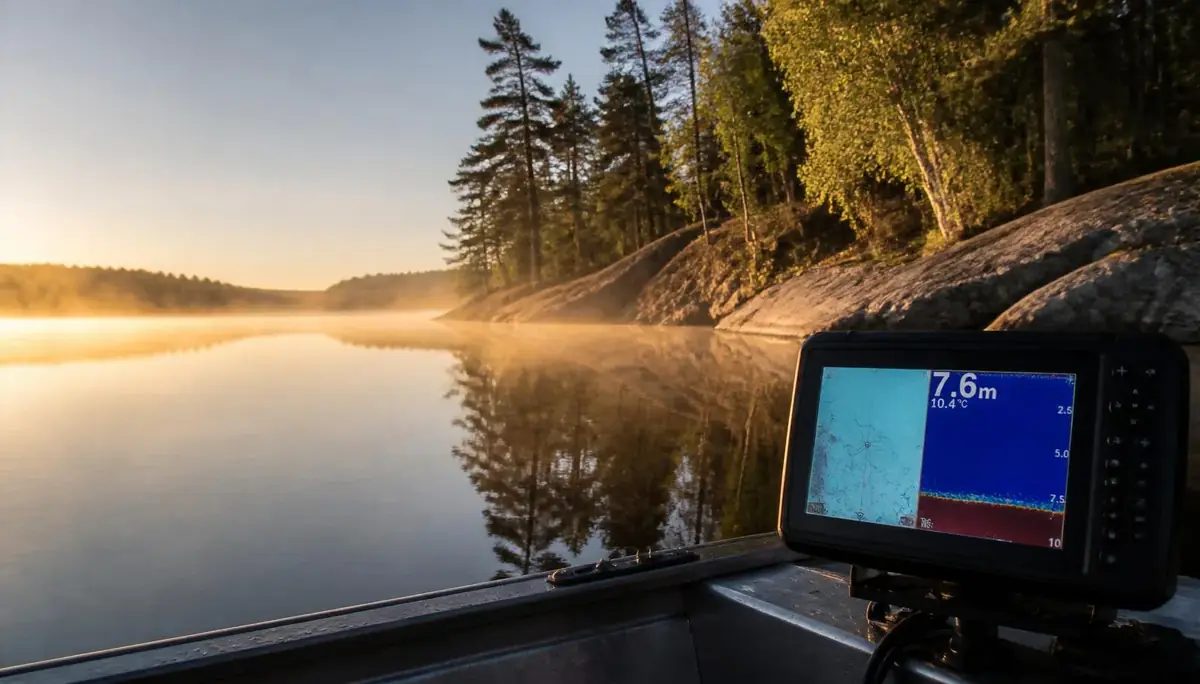
How Water Temperature Shapes Ontario Fishing (And How to Use It to Your Advantage)
Fish are cold-blooded — learn to read water temperature and you'll spend a lot less time guessing where they are and how they'll bite.
Species Guides
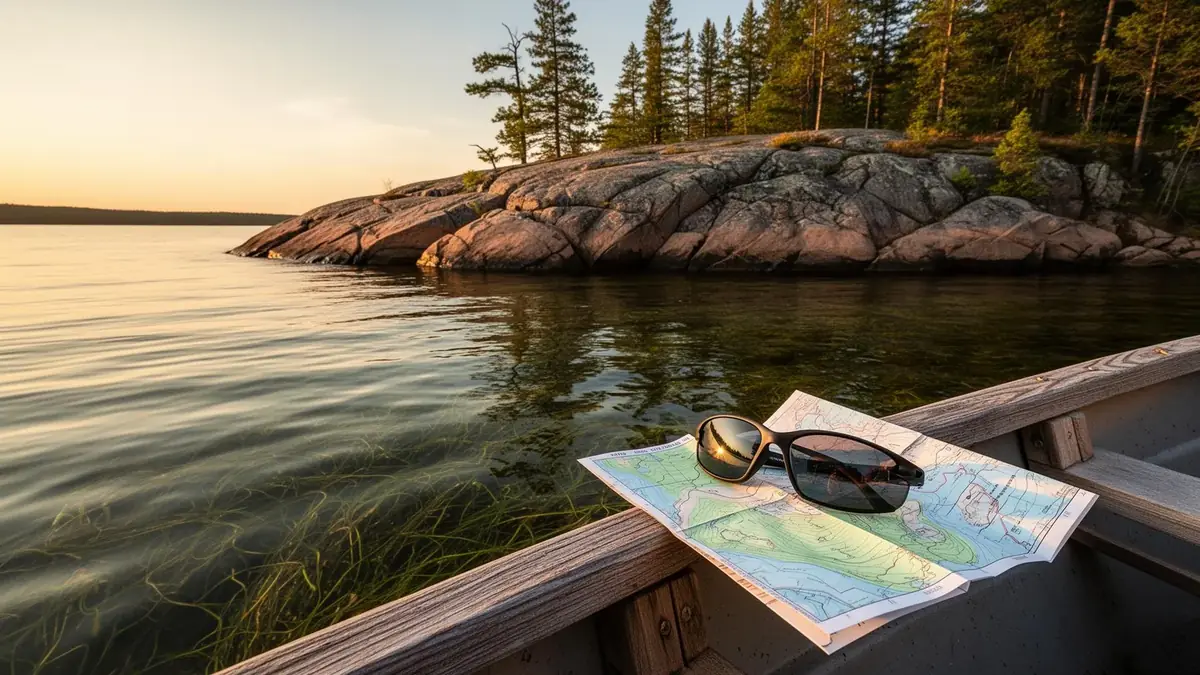
Finding More Fish in Ontario by Reading Structure
Points, drop-offs, weed lines, rock and wood — how to fish the small percentage of a lake that actually holds fish.
Species Guides
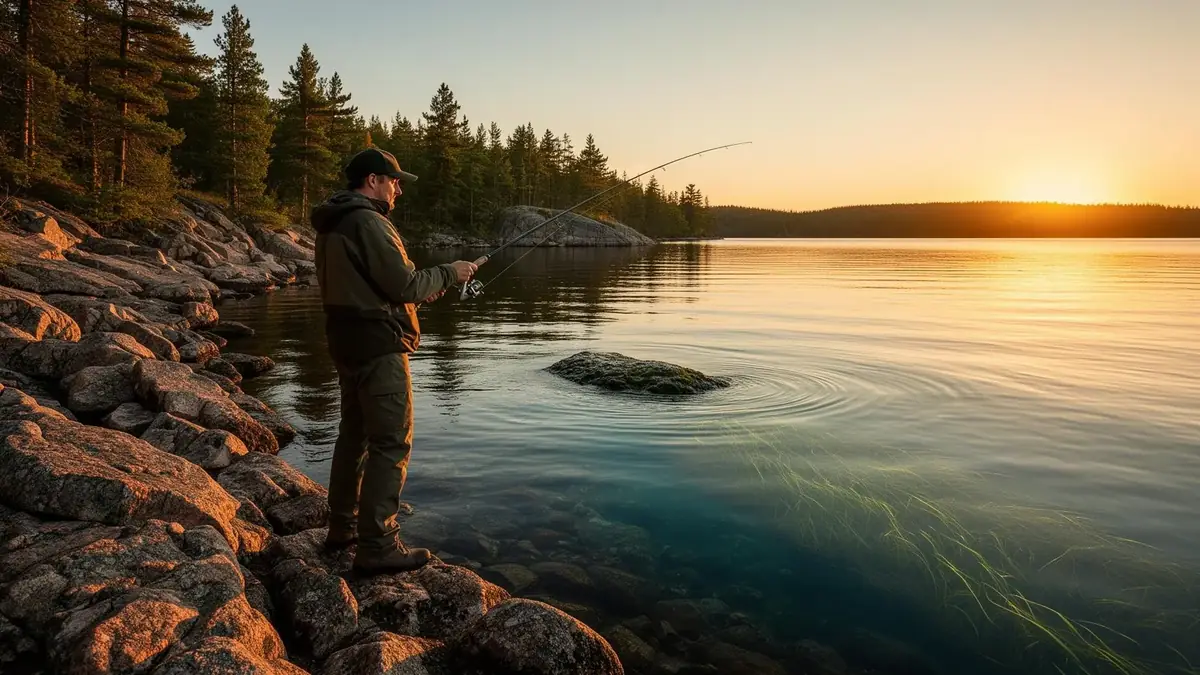
Reading Water for Beginners: How to Find Fish Before You Cast
Learn to spot points, drop-offs, weed lines, current seams and undercut banks — so you put your bait where fish actually are.